


Psst… This is what makes rides enjoyable!
Remember the first time you laid eyes on your bicycle when it was still at the bike shop? You probably visited several shops before committing to your new relationship. You might even have gone back a few times to see if it was still available. Finally, you succumbed and declared your love! Keep that love alive by following these 9 simple steps that will help maintain a happy, long-lasting relationship with your bike.
1. Wash it
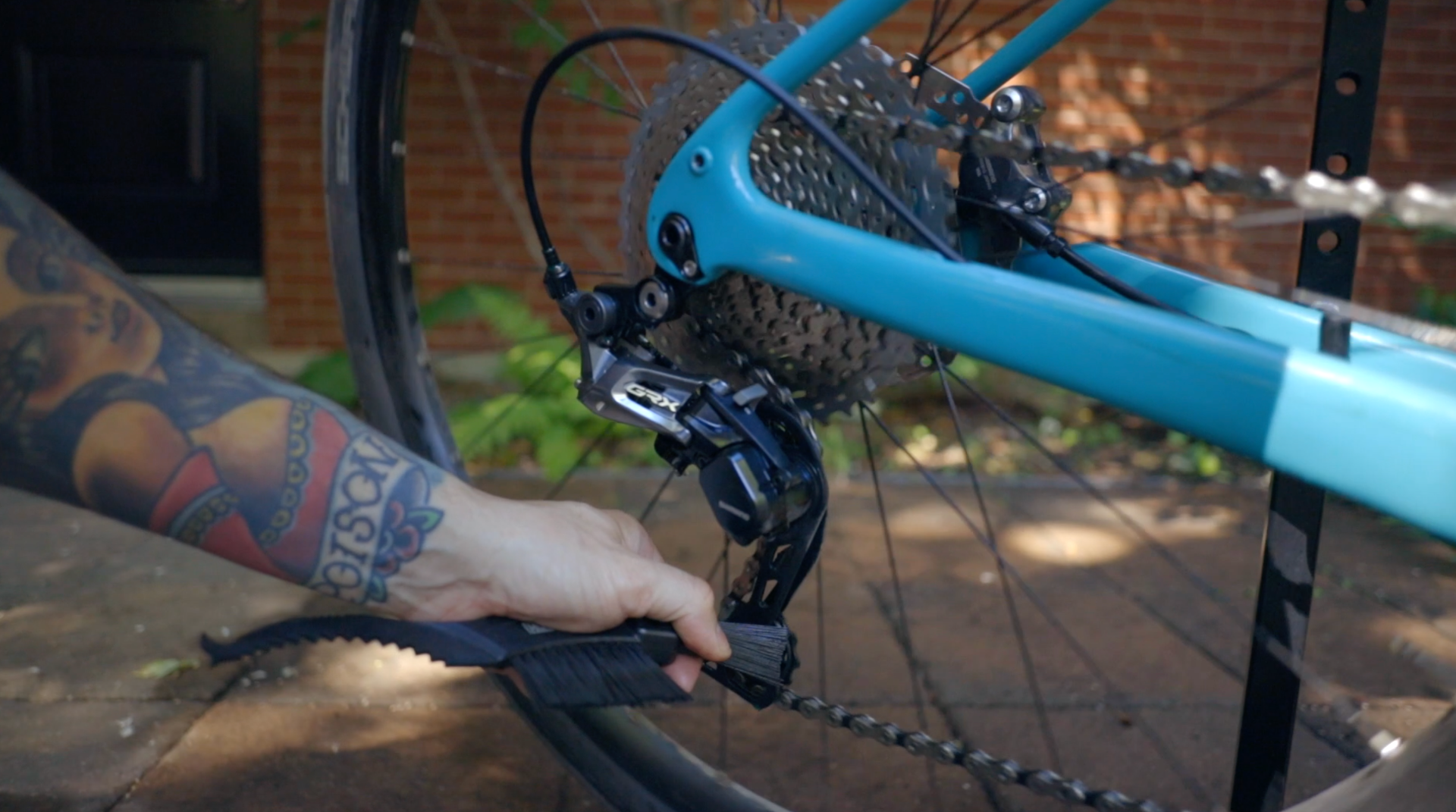
It may seem obvious, but keeping your bike clean is important, whether you're a road or mountain enthusiast. Here are some useful tips for washing it effectively.
While cycling-specific cleaning products are ideal, there's no harm in using a non-abrasive cloth or brush with warm water and a small amount of dish soap to remove mud, grease, or dirt. However, keep soap away from disc brakes to avoid contaminating them or causing undesirable brake squeal. Instead, use a cleaner designed for this purpose, or rubbing alcohol, which is particularly effective at removing oil from rotors, calipers, and pads.
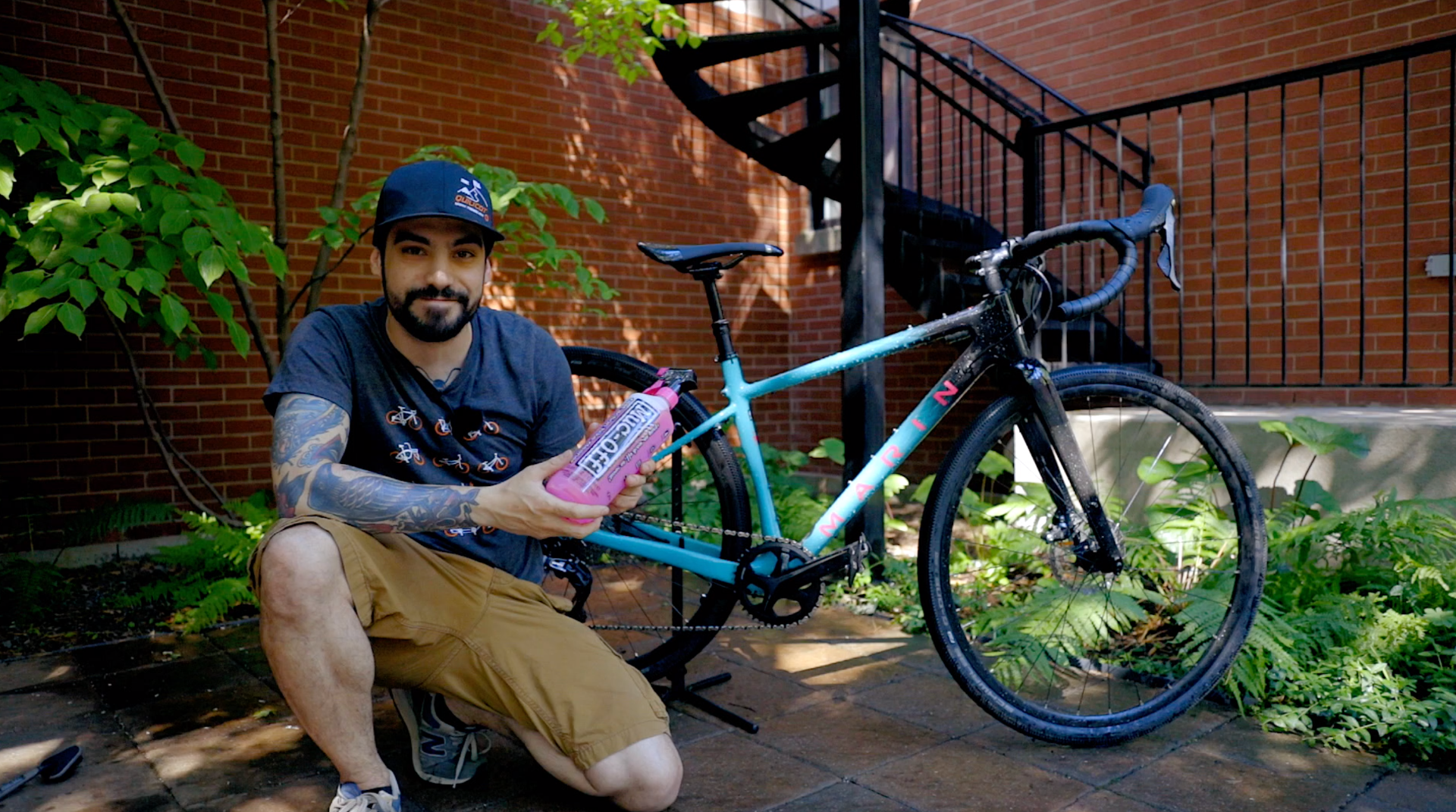
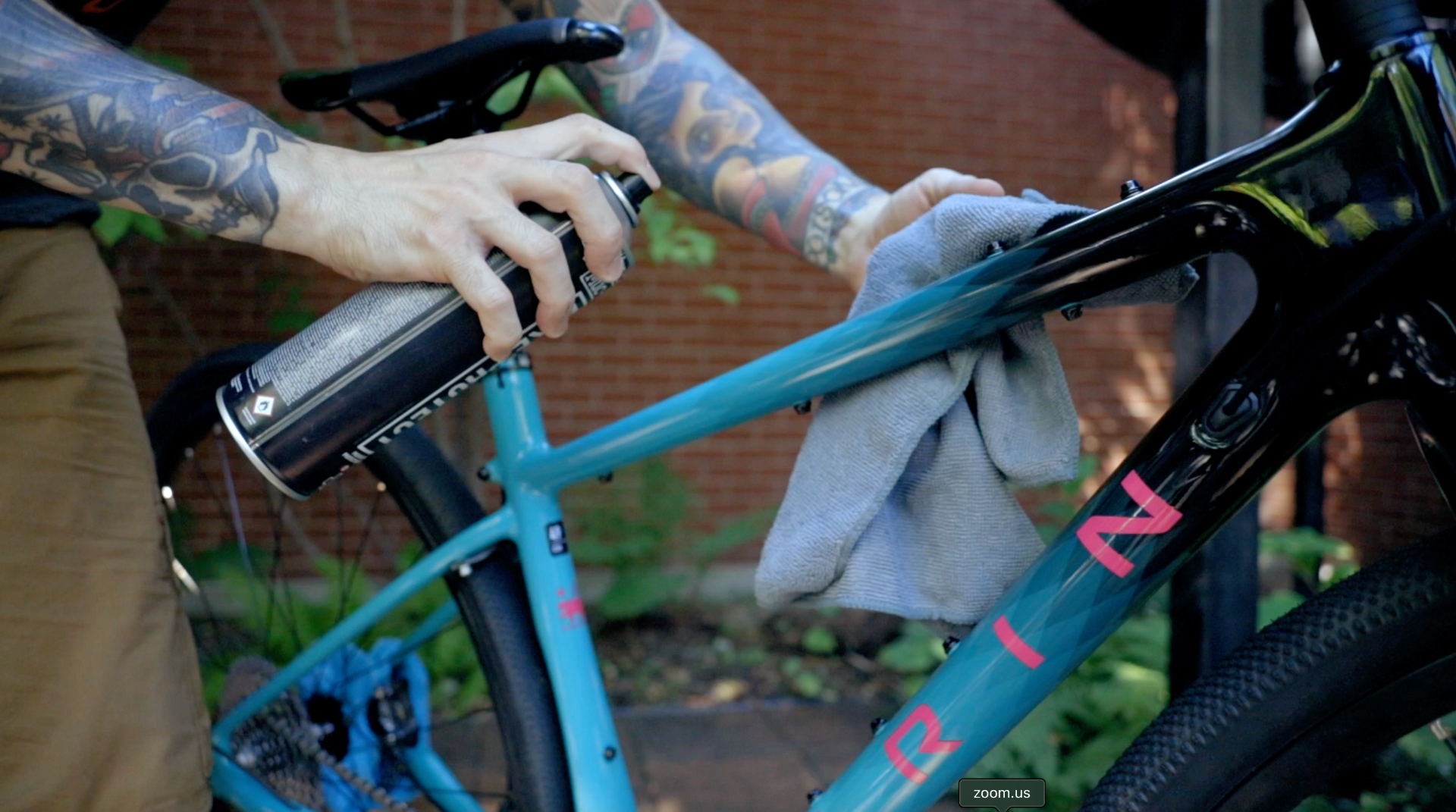
Next, rinse your bike gently, with low pressure. Otherwise, water could seep into your bearings and damage them. Instead, let your bike dry in the sun and apply a protective solution to make your frame shine, sparkle, and gleam.
2. Protect it
Now that you've washed your frame, it's time to protect it. Rubbing cables, small stones kicked up from the ground hitting your bike, or even transportation can cause damage to your precious ride. To keep it pristine, vinyl kits designed for this purpose are available. Are you handy? Buy a roll of transparent 3M protective vinyl and cut it yourself. Before anything else, we recommend drawing a paper template so that each piece perfectly fits the frame and components.
If that's not your cup of tea, opt instead for pre-cut pieces ready to be applied to the exposed areas of your bike. Since cable rub is the main culprit for paint wear on the frame, some even go so far as to wrap the housings with protective rubber.
3. Lubricate it
This simple yet essential step is often neglected by many cyclists. Why? We have no idea... especially since the benefits are worth every drop used. A dry chain will be noisy and gear shifting won't be smooth. Not to mention the risk of rust!
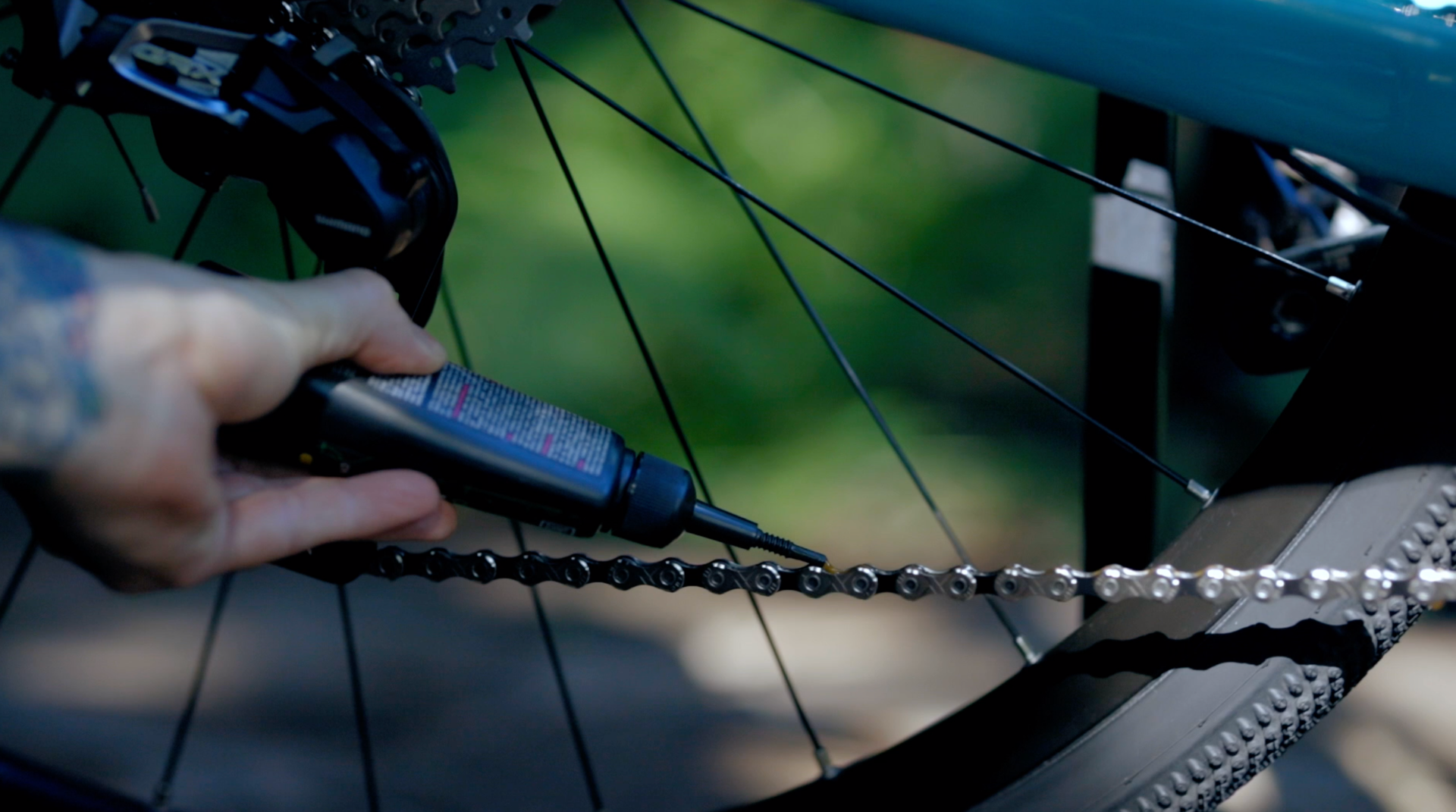
Before applying lubricant, clean your chain. Also, remember to remove any dirt buildup on your derailleur pulleys. Brush the links with a firm brush or an old toothbrush and a degreasing solution. Once clean, apply a drop of lubricant to the top of each link while pedaling slowly so that it spreads to each link.
Finally, wipe off excess lubricant to prevent dirt and debris from sticking to your sparkling chain.
4. Check, examine your brakes
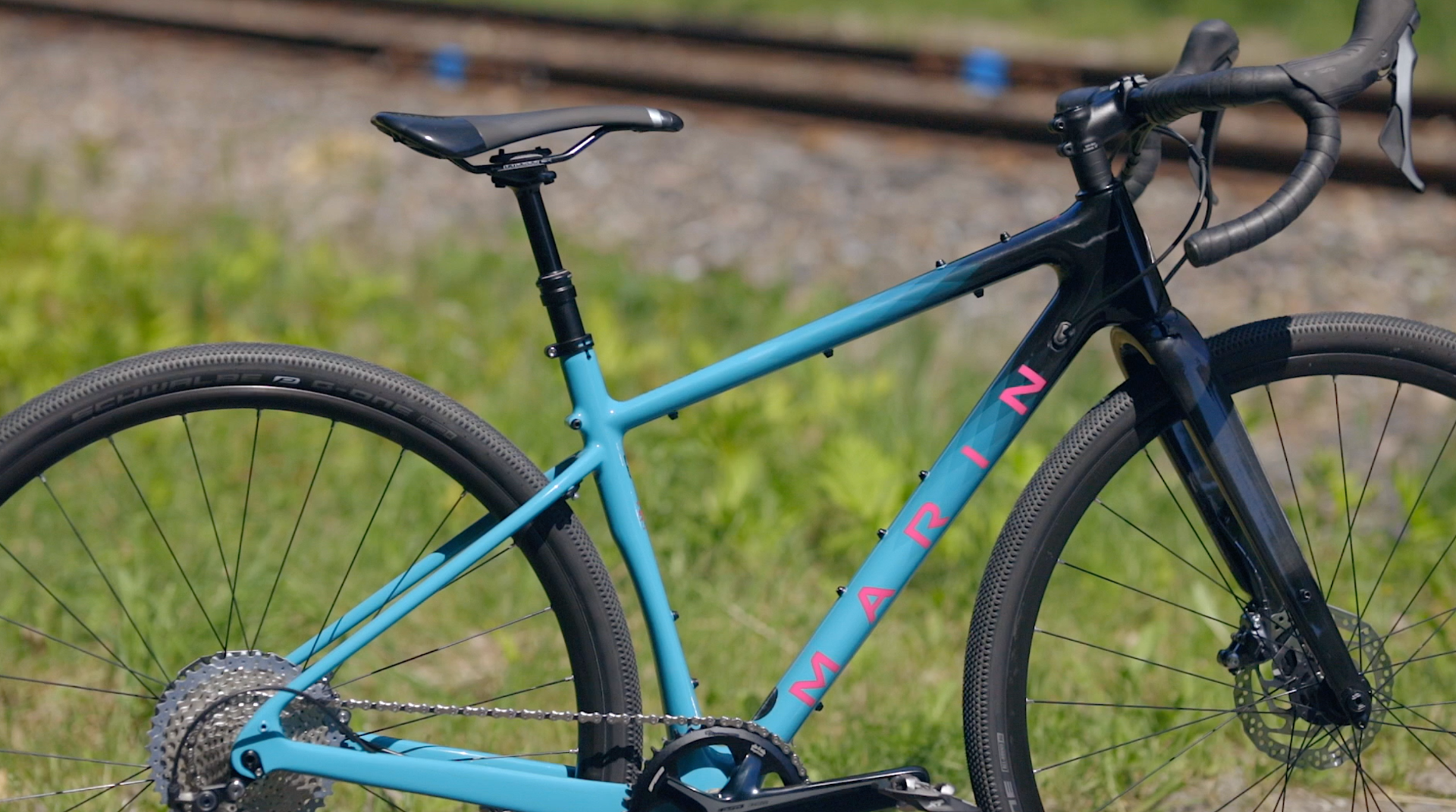
When purchasing a bike equipped with disc brakes, a break-in period is necessary before they can perform at their best without risking damage to your rotors. On your first ride, perform a series of non-stop braking (reducing your speed from 20 km/h to 5 km/h, approximately) and avoid locking the rotors between the pads. Your brakes will be fully operational after about twenty repetitions.
Six months into your relationship with your bike, your brakes may not be as effective. If this is the case, an adjustment or bleed is undoubtedly in order, or even the purchase of new pads or perhaps even new rotors: it will all depend on your riding style and the conditions in which you ride. While adjustment is quite simple when you have the required tools, some mechanical skills are necessary to do it. Also, don't hesitate to make an appointment at the shop if it proves too intimidating to do it yourself.
5. Tighten just enough
A recommended tightening torque (expressed in Nm) is probably indicated on your handlebars and seatpost. During assembly, the mechanic tightens all the bolts on your bike to the appropriate tension. However, they may tend to loosen over time due to vibrations. So it's worth checking if any of them need to be retightened. Be careful not to exceed the recommended tension: you could damage your parts or your bike. To respect it, invest in a torque wrench and your parts will remain in good condition for a long time!
6. Lock it
Bike theft is a scourge in many cities. Fortunately, several measures exist to avoid falling victim to this infamous crime.
Be sure to properly lock your bike when transporting it by car. Some bike racks are equipped with locking systems, but parking your vehicle in your line of sight allows you to keep an eye on your bikes. If you store your bike in a garage, consider equipping it with a sturdy lock and security devices. Sometimes, ground anchors are necessary!
7. Keep it sheltered
Bikes parked in places exposed to the elements or humidity are more susceptible to the effects of corrosion. If you have to leave your bike outside for more than a day, consider covering it and inspecting it regularly for rust. When transporting the bike on a vehicle, consider covering it with a tarp to protect it from the elements.
If you have several bikes and lack space, there are a plethora of hooks and racks on the market to save space. Whether on the wall or ceiling, you can create a customized parking space for your bike, safe from theft and bad weather.
8. Spare Parts
Bikes and their components can break, but that doesn't mean your mental state has to suffer the same fate! When you get your hands on a new bike, it's normal to think that spare parts are easy to get. Unfortunately, due to high demand, this can be a real challenge, whether they are new or old. Prepare for any eventuality by getting them as soon as possible.
Here are the spare parts we consider essential: brake pads , a rotor kit , a derailleur hanger , tires , and plenty of bolts.
Most of us wear out parts to the thread to maximize our time in the saddle. Also, plan to have them on hand!
9. Visit one of our workshops
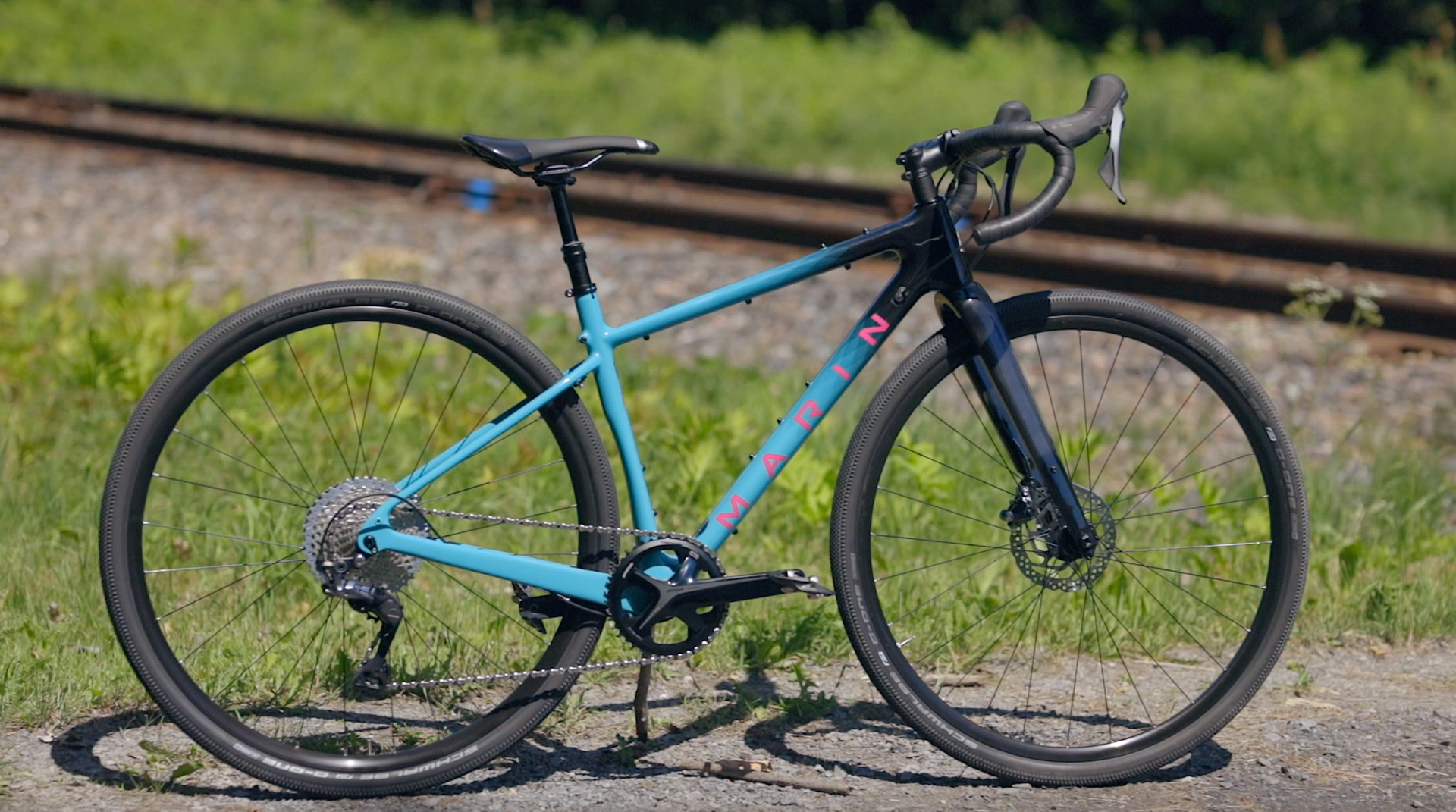
Is your relationship with your bike deteriorating? Is your spark fading? It might be time to bring your bike to the shop to rekindle it. If you've followed some of the tips mentioned above, not only will your mechanic be grateful, but you'll also be able to get back on your bike in no time.